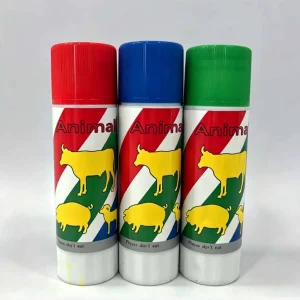
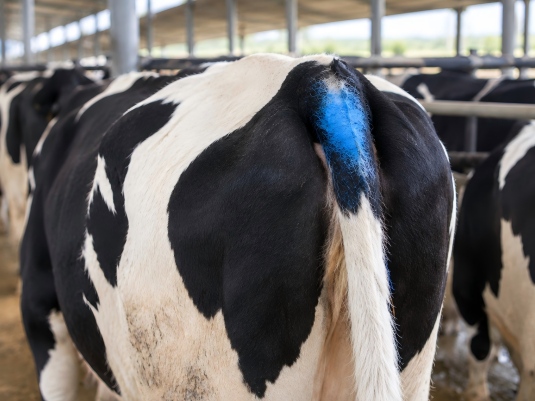
Tail chalk is a simple and widely used tool for detecting heat in dairy cows. It is applied to the tailhead, where normal mounting activity can rub or remove the chalk. When the mark becomes noticeably worn, broken, or disappears, it can indicate that the cow has been mounted and may be showing signs of estrus.
There is no fixed number of days for reapplying tail chalk. The right frequency depends on cow activity, weather, housing conditions, the type of chalk used, and how clearly the mark can still be seen.
In many dairy operations, tail chalk is checked every day as part of the normal heat detection routine. If the chalk remains clear and visible, it may not need to be reapplied immediately. If the mark has been heavily rubbed off or becomes difficult to distinguish, fresh chalk should be applied.
When Should Tail Chalk Be Reapplied?
The main reason for reapplying tail chalk is loss of visibility rather than a fixed schedule. A fresh application should leave a clear, visible mark on the tailhead without creating an excessively thick layer.
For cows that are frequently mounted, tail chalk can wear away relatively quickly. This is useful for heat detection because a significant change in the mark can draw attention to a cow that may be in estrus.
For cows with little mounting activity, the chalk may remain visible for longer. Reapplying it too frequently can create unnecessary work and may make it more difficult to recognize meaningful changes in the mark.
A practical approach is to inspect the tailhead during the daily herd check and reapply chalk when the existing mark is no longer suitable for reliable observation.
How Long Does Tail Chalk Last?
The working life of tail chalk varies considerably from farm to farm. A mark may remain visible for several days under favorable conditions, while frequent contact, rain, mud, washing, or high humidity can shorten its useful life.
Cow behavior also makes a difference. During periods of increased mounting activity, the chalk can become worn much faster than it would on a cow with limited activity.
The formulation of the tail chalk is another factor. Harder and more durable formulations may remain on the hair longer, while softer chalk can produce a stronger mark but may wear away more quickly.
Because of these differences, it is better to judge tail chalk by the condition of the mark rather than relying on a specific claim such as "one application lasts X days."
Weather and Housing Conditions Matter
Weather can have a major effect on how long tail chalk remains visible. Rain and wet conditions may reduce the durability of the mark, while mud and dirty tailheads can make it difficult to distinguish chalk from normal contamination.
In outdoor or pasture-based systems, more frequent checking may be necessary during wet weather. In housed dairy systems, the chalk may remain more consistent, although bedding, manure, rubbing against equipment, and cleaning routines can still affect the mark.
Before applying new tail chalk, the tailhead should be reasonably clean and dry. Applying fresh chalk over a heavily contaminated area can reduce visibility and make heat detection less reliable.
Avoid Applying Too Much Chalk
More chalk does not necessarily mean better heat detection. A thick or uneven layer can make it harder to recognize the difference between a fresh mark and one that has been rubbed.
The goal is to create a clear marking area that can change noticeably when mounting occurs. Consistent application is particularly important when several people are responsible for herd heat detection.
Farm staff should also use the same general observation method each day. Changes in the tail mark should be considered together with other signs of estrus, such as increased activity, restlessness, mounting behavior, standing to be mounted, or changes in interaction with other cows.
Tail Chalk Is an Aid, Not the Only Heat Detection Method
Tail chalk works best as part of a broader heat detection program. A rubbed tail mark can provide a useful signal, but it does not by itself confirm that a cow is ready for insemination.
Farmers may combine tail chalk with visual observation, activity monitoring systems, heat detection patches, or other reproductive management tools. Using more than one source of information can help reduce missed heats and improve breeding decisions.
For farms using tail chalk regularly, keeping the application and observation routine consistent is often more important than reapplying it on a strict calendar.
Choosing Tail Chalk for Dairy Cow Heat Detection
A suitable tail chalk should produce a clear mark, adhere well to the tailhead, and provide enough durability for routine farm use. The chalk should also be easy to apply and easy to identify after it has been rubbed by mounting activity.
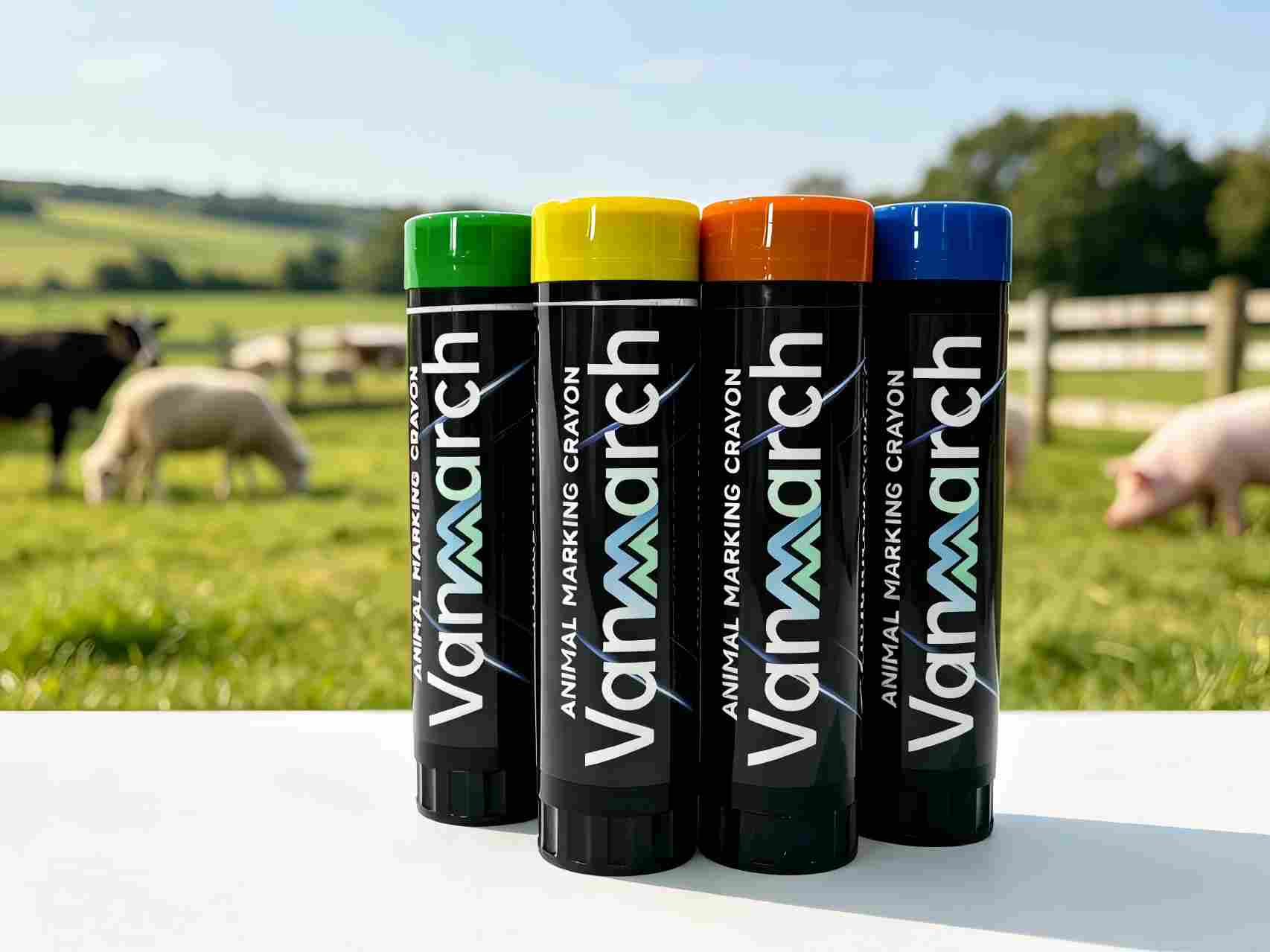
For commercial dairy farms, product consistency is particularly important because large numbers of cows may be checked every day. A reliable livestock marking crayon can make routine heat detection more convenient while reducing unnecessary reapplication.
Ultimately, tail chalk should be reapplied whenever the existing mark is no longer clear enough for accurate observation. Daily checking, rather than following a rigid reapplication schedule, is the most practical approach for maintaining reliable cow heat detection.