On a livestock farm, identifying the right animal at the right time is essential for effective herd management. Farmers may need to distinguish animals that have received treatment, monitor breeding activity, separate groups or follow up on health concerns. When identification is unclear, important information can be missed, records may become unreliable, and the same animal may need to be checked more than once. Clear animal identification helps farm workers connect each animal with the correct management task and reduces confusion during busy working periods.
The method used depends on the species, farm size and purpose. Permanent identification, such as official ear tags or electronic identification, supports long-term tracking, while temporary marking products help workers recognize animals quickly during daily operations. Used together with accurate records, these methods make routine livestock management more organized.
Why Animal Identification Matters During Treatment
Treatment records are only useful when they can be linked to the correct animal. On farms with large herds, workers may need to identify cattle that have received medication, require another examination or need to be monitored for changes in health. Without a reliable identification method, it becomes easier to overlook follow-up tasks or confuse animals with similar appearances.
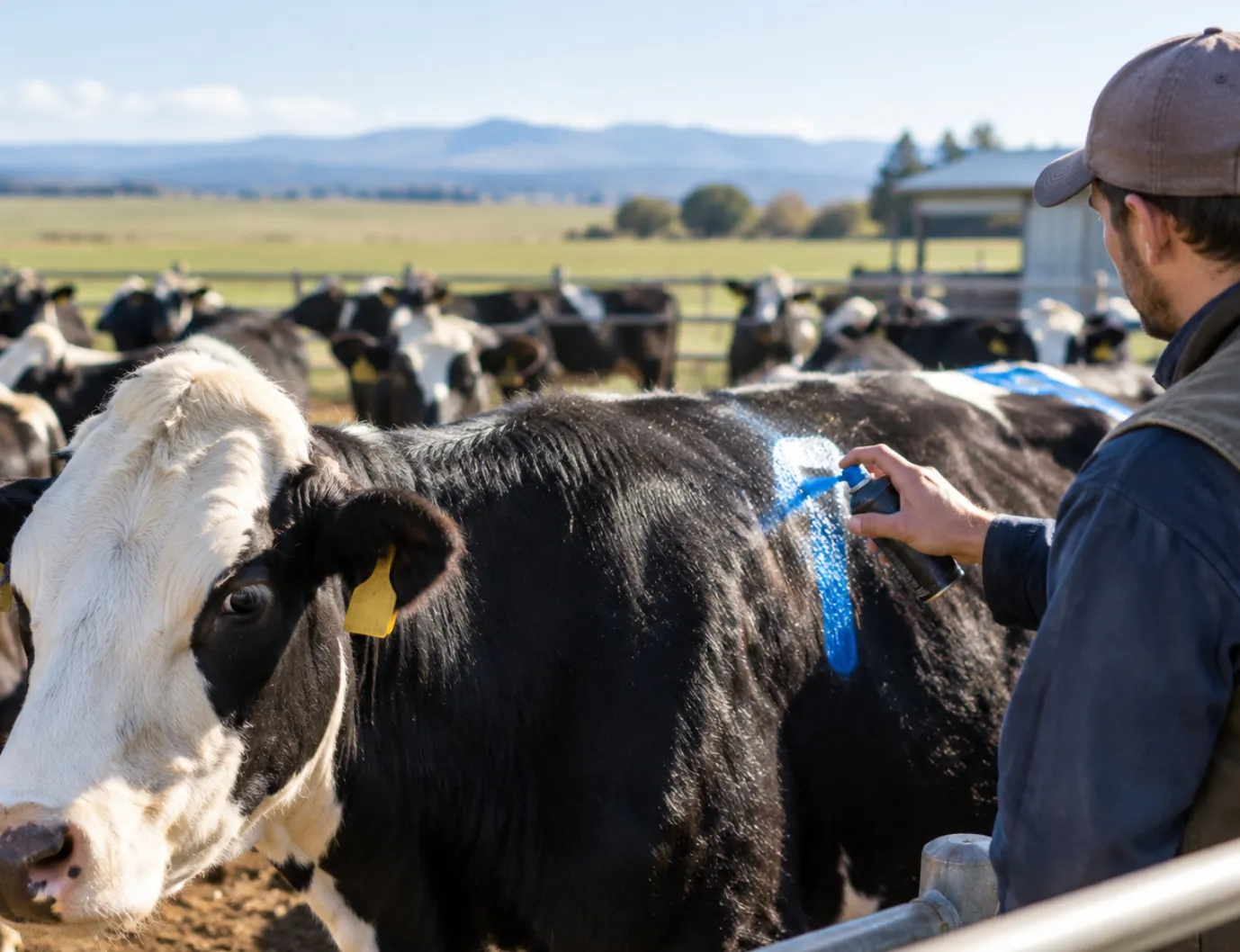
Clear marking can help staff recognize animals that need attention during routine checks. For example, a temporary mark may indicate that an animal has been examined or belongs to a group requiring follow-up. However, the meaning of each mark should be established in advance and understood by everyone working on the farm. A color alone should not replace written records, treatment instructions or required withdrawal-period documentation.
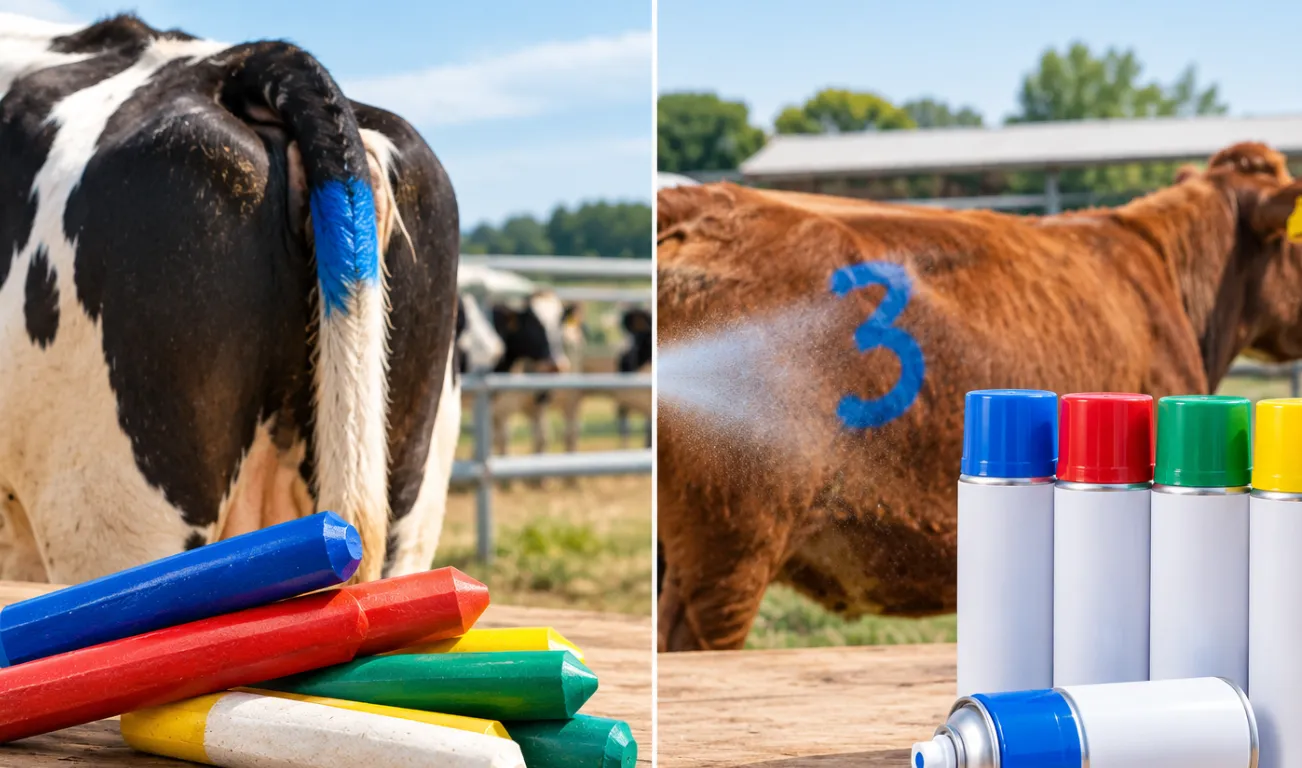
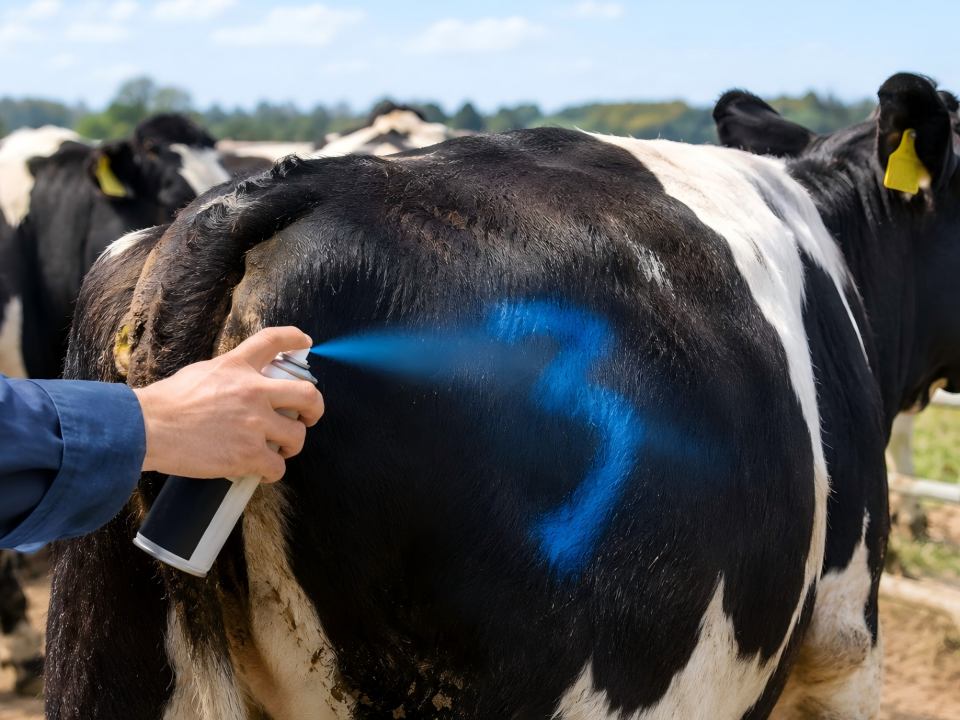
Livestock marking spray and animal marking crayons are practical options for temporary identification. Spray is useful when several animals need to be marked quickly, while crayons allow workers to make more controlled marks for specific tasks. The appropriate product depends on the marking purpose, coat condition and required visibility. Products should be selected and used according to their intended livestock application and manufacturer instructions.
The Role of Animal Identification in Breeding Management
Breeding programs depend on accurate observations and timely decisions. Farmers may need to distinguish animals showing signs of heat, record insemination dates, track pregnancy checks or identify animals scheduled for further examination. If the wrong animal is recorded or a temporary mark is overlooked, breeding records can become inconsistent and follow-up procedures may be delayed.
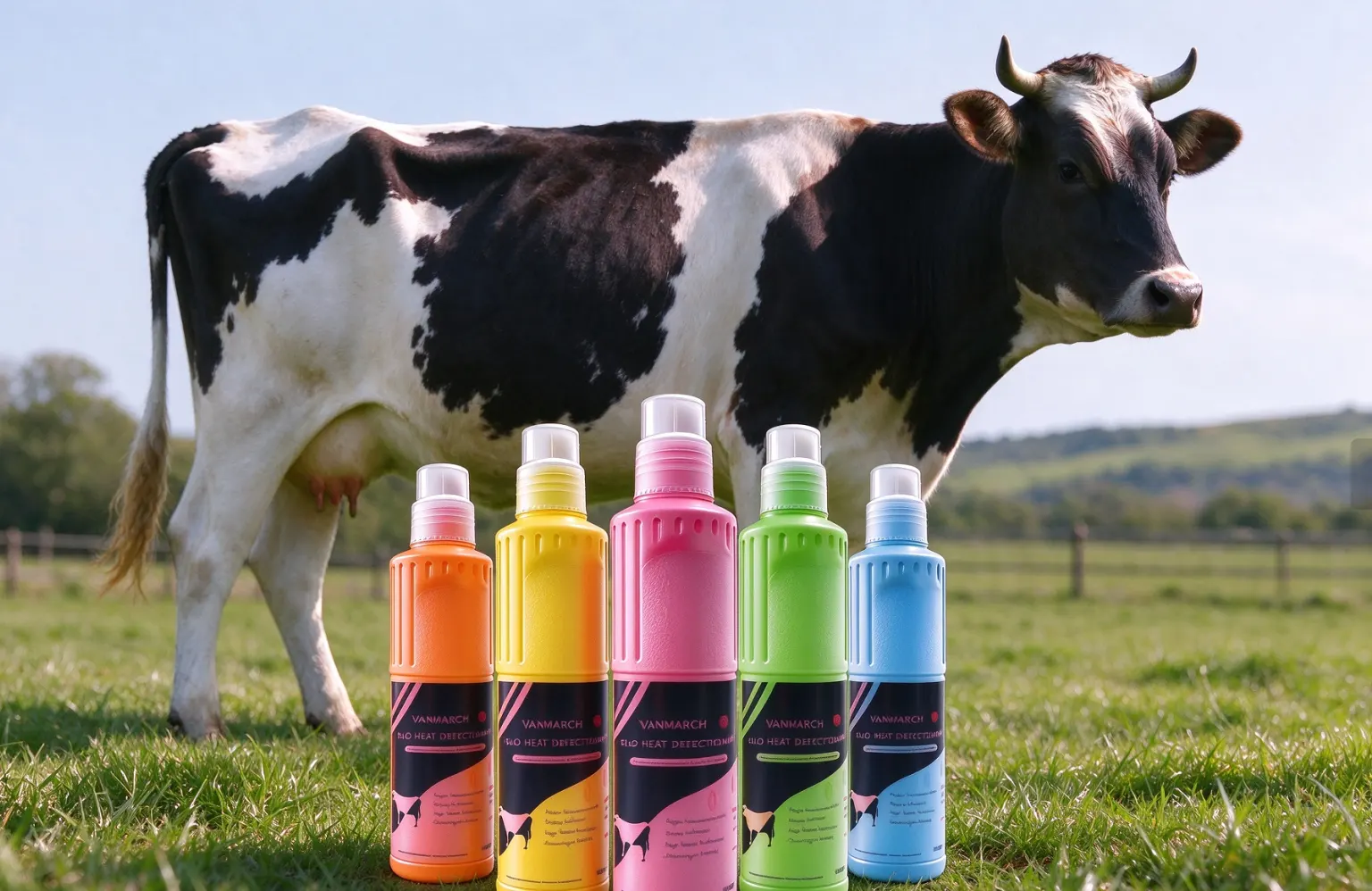
In dairy farming, tail chalk and other temporary marking methods are often used as aids to heat detection. Changes in the marking can help workers decide which cows need closer observation, but the mark should be interpreted alongside animal behavior, breeding history and other relevant signs. Marking products support observation; they do not independently confirm that an animal is in heat.
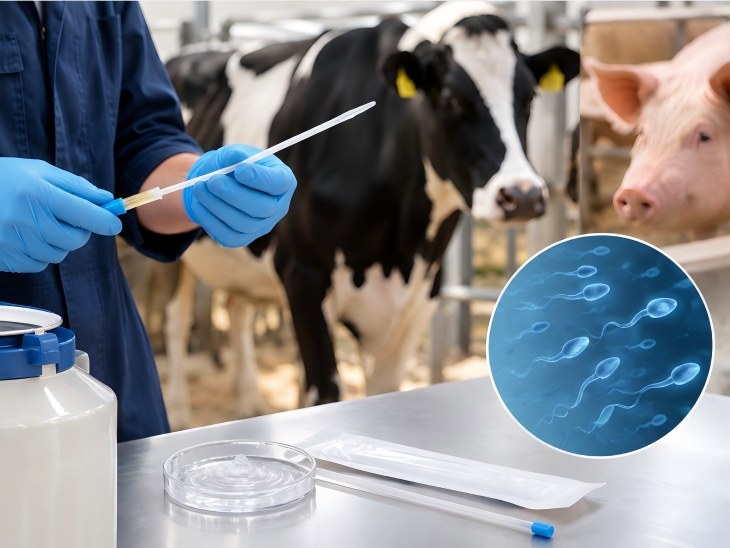
In pig breeding operations, identification is equally important when managing sows through artificial insemination and subsequent reproductive checks. Clear records help staff connect each sow with the correct insemination date, semen information and follow-up schedule. Temporary marking can make animals easier to recognize during handling, while permanent identification and written or digital records provide the longer-term reference. Farms using pig AI catheters and other breeding supplies should maintain consistent procedures so that equipment use, animal identification and breeding records remain properly coordinated.
Choosing the Right Animal Identification Method
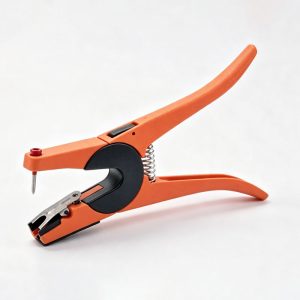
No single identification method is suitable for every situation. Ear tags and electronic identification systems are commonly used for longer-term identification and traceability, subject to local requirements. Temporary marking methods are useful when workers need to distinguish animals quickly without relying solely on reading an identification number.
Livestock marking spray is convenient for visible marks across a larger group of animals. It is often used for sorting, treatment management and other short-term tasks. Animal marking crayons provide more direct control over the shape and location of the mark and can be useful for specific identification purposes. Tail chalk has a more specialized role in dairy cow heat detection.
When choosing marking products, consider visibility against the animal's coat, ease of application, expected marking duration, available colors and the conditions in which the animals are kept. Rain, sunlight, dirt and rubbing can affect how long a mark remains visible. Workers should check marks regularly and reapply products when needed, following the manufacturer's instructions.
For farms with multiple workers, a simple identification system is often more effective than a complicated one. Assign clear meanings to colors or symbols, document the system and make sure new staff understand it. Temporary marks should also be removed or allowed to fade as appropriate once they are no longer needed, so that old markings do not conflict with new management tasks.
Connecting Identification with Farm Records
A visible mark helps workers recognize an animal, but accurate records explain why that animal has been marked. Combining identification with written or digital records makes it easier to review treatment history, breeding events, examination results and scheduled follow-ups. This is especially valuable on larger farms, where different workers may handle the same animals across several shifts.
A practical system should identify the animal, explain the purpose of the mark and record any action that needs to be taken. Staff should update records promptly rather than relying on memory at the end of a working day. Where official traceability rules apply, farms must continue to follow the relevant identification and record-keeping requirements; temporary markings are supplementary management tools, not substitutes for mandatory identification.
Clear animal identification may seem like a small part of livestock management, but it supports decisions that affect animal care, breeding organization and daily farm efficiency. Using suitable marking products alongside consistent procedures and accurate records helps farmers keep track of individual animals and reduces avoidable confusion during treatment and breeding.